
Alternative Fuels
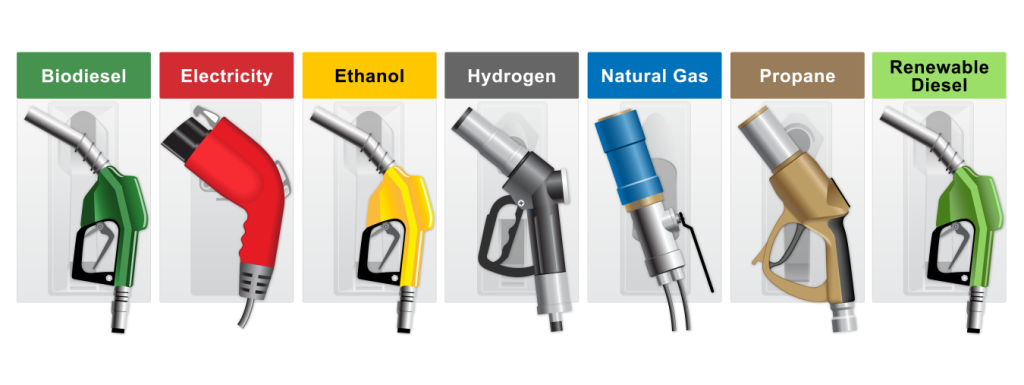
Alternative fuels are becoming an essential component of the global energy transition, offering lower-carbon solutions that can integrate with existing power and energy infrastructure. They provide practical pathways to reduce emissions, improve energy security, and support the gradual shift toward more sustainable energy systems.
LuGen Power Ltd. monitors and supports developments across key alternative fuel technologies that have relevance for power generation, industrial applications, and long-term energy resilience.
Lorem ipsum dolor sit amet, consectetur adipiscing elit. Ut elit tellus, luctus nec ullamcorper mattis, pulvinar dapibus leo.
Green Hydrogen
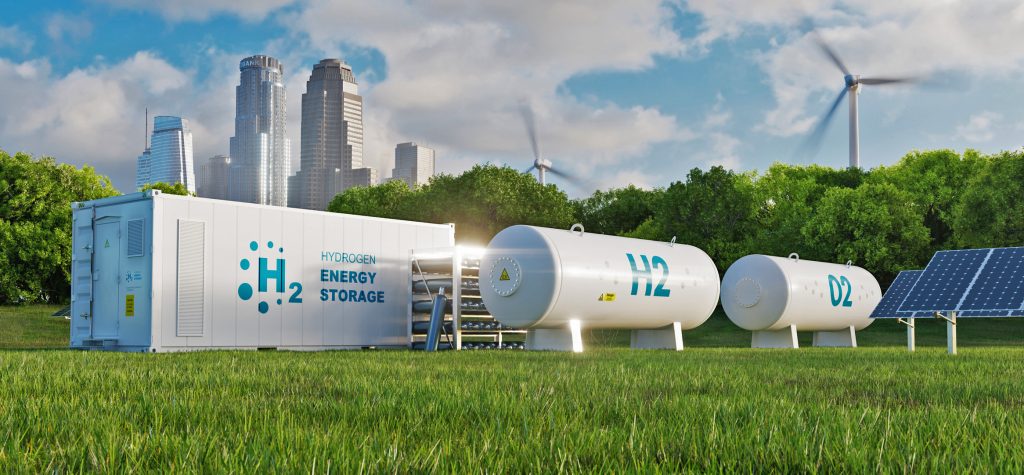
Green hydrogen is produced through the electrolysis of water using renewable electricity, resulting in a fuel with no carbon emissions at the point of use. It has strong potential as a clean energy carrier for power generation, grid balancing, and industrial processes, particularly in applications where direct electrification is limited.
Lorem ipsum dolor sit amet, consectetur adipiscing elit. Ut elit tellus, luctus nec ullamcorper mattis, pulvinar dapibus leo.
BioFuels
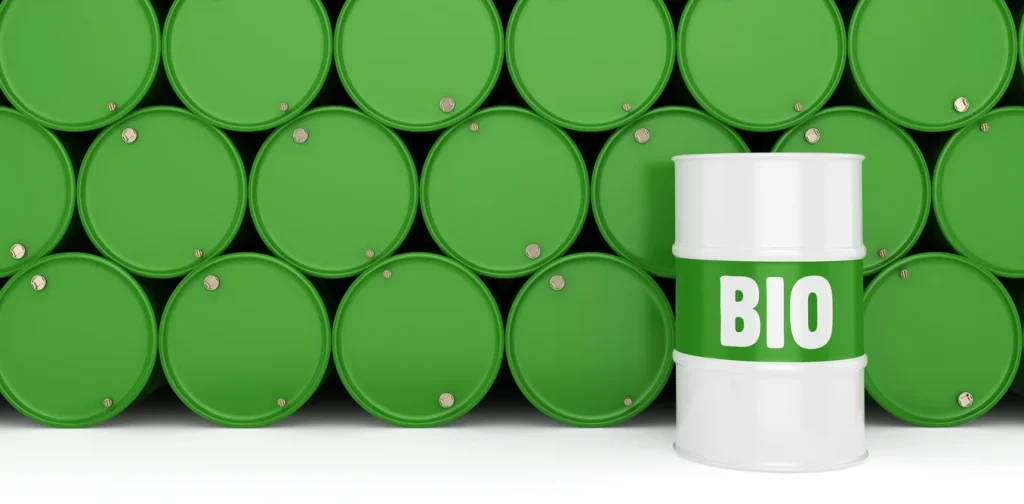
Bioethanol is a renewable fuel produced from plant-based feedstocks such as sugarcane, corn, or agricultural residues. It is widely used as a blending component to reduce the carbon intensity of conventional fuels. Bioethanol supports lower lifecycle emissions while leveraging existing fuel and power infrastructure.
Biodiesel is derived from renewable biological sources including vegetable oils, animal fats, and recycled cooking oils. It can be used in diesel engines and generators either in blended form or, in certain applications, as a direct substitute. Biodiesel offers reduced emissions and compatibility with established fuel systems.
Lorem ipsum dolor sit amet, consectetur adipiscing elit. Ut elit tellus, luctus nec ullamcorper mattis, pulvinar dapibus leo.
Synthetic / e-Fuels
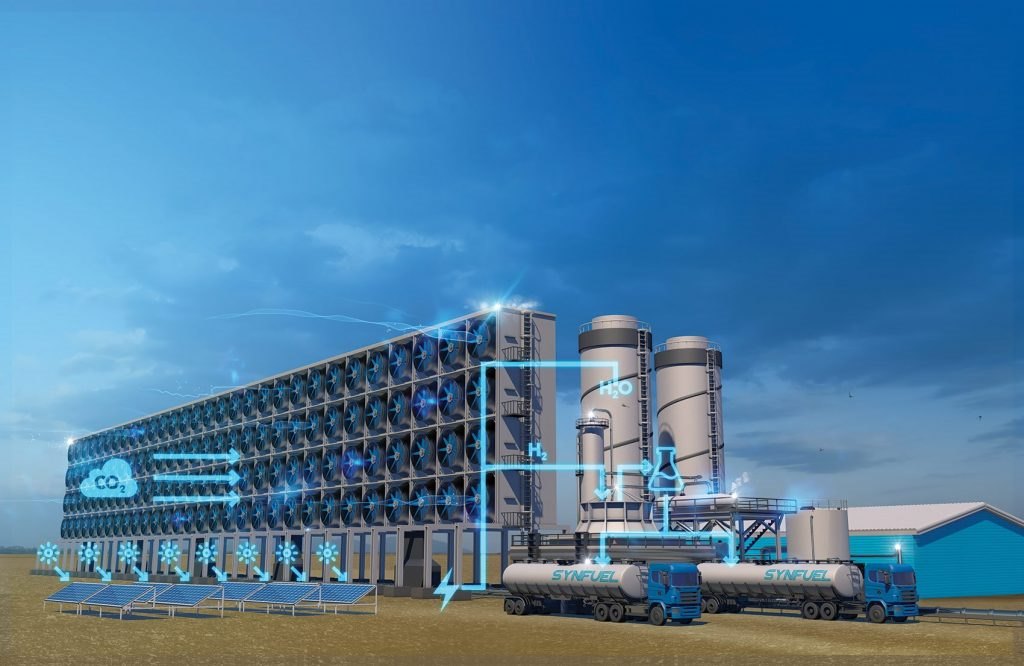
Synthetic fuels, also known as e-fuels, are produced by combining green hydrogen with captured carbon dioxide. These fuels can be engineered to mirror traditional fossil fuels, allowing their use in existing engines, turbines, and distribution networks. Synthetic fuels offer a scalable option for decarbonising power, transport, and industrial sectors where alternatives are limited.
orem ipsum dolor sit amet, consectetur adipiscing elit. Ut elit tellus, luctus nec ullamcorper mattis, pulvinar dapibus leo.